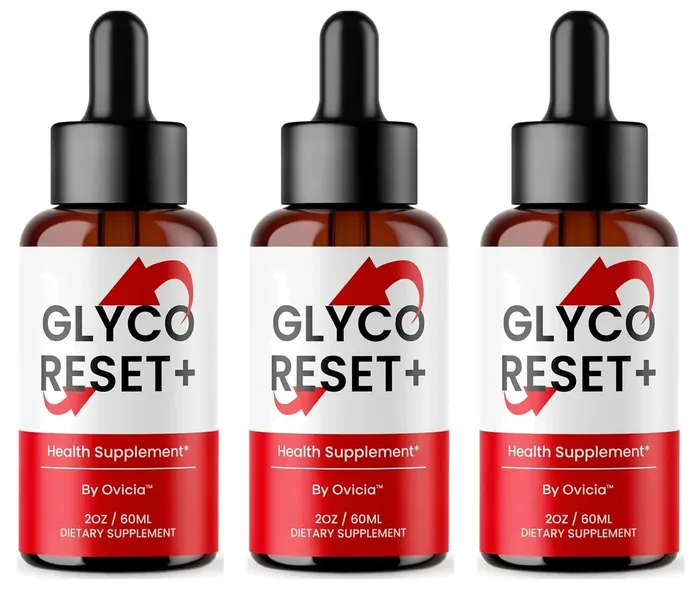
Ingredients 5 and 6 of 6
Citric Acid and Sodium Citrate in Glyco Reset: Two Common Food Additives
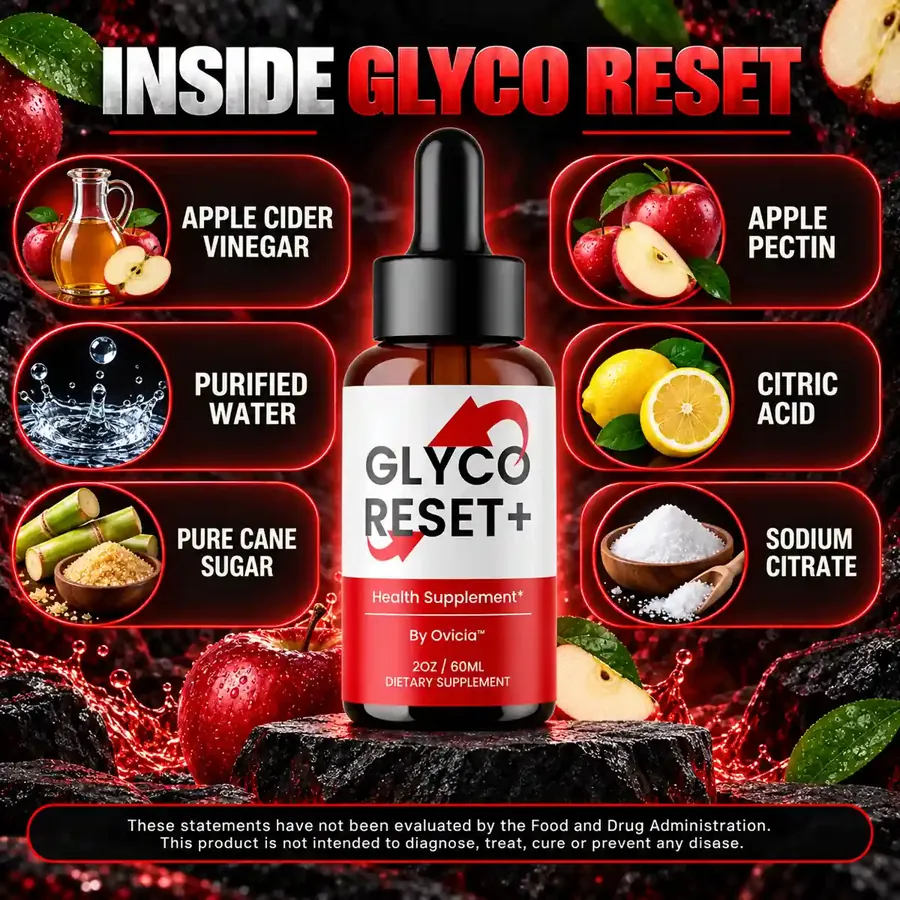
Citric acid and sodium citrate are the fifth and sixth ingredients in Glyco Reset. Both are food additives that FDA rules treat as generally recognized as safe (eCFR: citric acid (21 CFR 184.1033)) (eCFR: sodium citrate (21 CFR 184.1751)). They adjust tartness and steady the acidity, not blood sugar. Neither amount appears in any label photo we have, including the sodium.
Written by the Glyco Reset editorial teamUpdated
The basics
What are citric acid and sodium citrate?
Citric acid is the sour acid found in lemons and limes. Sodium citrate is its sodium salt, a milder partner that tastes slightly salty and sour.
They are the last two of six ingredients in Glyco Reset, so they are likely the smallest amounts. The brand does not claim a blood sugar role for either. They are there to shape taste and acidity.
| Label name | Citric Acid |
|---|---|
| What it is | 2-hydroxy-1,2,3-propanetricarboxylic acid · Acidity regulator |
| Position on the label | 5 of 6 on the ingredient list (no amount is printed in any label photo we have) |
| Amount per serving (the label serving) | Not shown |
| Amount used in research | Not studied for blood sugar; a common food acid |
| Strength of evidence | Food additive, not an active |
| Why it is used | Adds tartness and keeps the acidity steady |
| Main caution | Adds to the drink's acidity: protect your teeth. |
The partner
How does sodium citrate differ from citric acid?
Sodium citrate is citric acid with sodium attached. That change makes it less sour and lets it soak up some acid, which is why food makers call it a buffer (eCFR: sodium citrate (21 CFR 184.1751)).
The two are often used together. The acid adds tartness, and the salt keeps the overall acidity from swinging.
| Label name | Sodium Citrate |
|---|---|
| What it is | Sodium salt of citric acid · Buffer |
| Position on the label | 6 of 6 on the ingredient list (no amount is printed in any label photo we have) |
| Amount per serving (the label serving) | Not shown |
| Amount used in research | Not studied for blood sugar; a common food buffer |
| Strength of evidence | Food additive, not an active |
| Why it is used | Buffers acidity, often paired with citric acid |
| Main caution | Contains sodium; amount not shown. |
U.S. rules
Are citric acid and sodium citrate safe food ingredients?
Yes, as food additives. Both are "affirmed as GRAS," generally recognized as safe, in the Code of Federal Regulations (eCFR: citric acid (21 CFR 184.1033)) (eCFR: sodium citrate (21 CFR 184.1751)). Food makers may use them with no limit other than good manufacturing practice.
| Detail | Citric acid | Sodium citrate |
|---|---|---|
| Federal rule | 21 CFR 184.1033 | 21 CFR 184.1751 |
| Status | Affirmed GRAS | Affirmed GRAS |
| Limit in food | Good manufacturing practice only | Good manufacturing practice only |
| Usual source | Fermentation or fruit juice | Made from citric acid |
| Amount in Glyco Reset | Not published | Not published |
GRAS status covers food use. It is not a finding that the drops work, and it does not mean FDA reviewed this product. Supplements are not approved by the FDA before sale (FDA 101: Dietary Supplements).
Where they come from
How are citric acid and sodium citrate made?
Citric acid can be pressed from lemon or pineapple juice, but it is often made by fermentation. The federal rule names yeasts of the Candida family and the mold Aspergillus niger as sources (eCFR: citric acid (21 CFR 184.1033)).
- Citric acid, step 1
Microbes feed on a sugar solution in large tanks and give off citric acid.
- Citric acid, step 2
The acid is recovered from that liquid and purified into dry crystals.
- Sodium citrate
Citric acid is neutralized with sodium hydroxide or sodium carbonate, which forms the sodium salt (eCFR: sodium citrate (21 CFR 184.1751)).
The label does not say which method the supplier used for Glyco Reset.
Their job
Why would an apple cider vinegar drink need extra acid?
For flavor and stability, most likely. Vinegar is sour but flat, and citric acid adds a brighter, fruity tartness. Sodium citrate then evens out the acidity.
- A steady acidity helps a liquid taste the same from the first drop to the last.
- Acidic liquids are less friendly to many microbes, which helps a product keep.
- Sodium citrate softens the bite that cane sugar alone may not cover.
None of this is a health effect. These are kitchen and factory jobs. For the active parts of the formula, see apple cider vinegar and apple pectin.
Your teeth
Do citric acid and vinegar together harm tooth enamel?
They can add up. Both are acids, and acid softens enamel. A lab study by Willershausen and colleagues found that vinegars alone stripped about 20% of minerals from enamel within hours (Willershausen: vinegar and enamel erosion).
Citric acid adds to that sourness, though the amount here is unknown. Sodium citrate buffers some acid, but the drink stays acidic.
Stir each serving into a full glass of water, drink it with a meal, rinse with plain water after, and wait before brushing. Tell your dentist you take a vinegar product.
Read more in our post on vinegar and your teeth.
Sodium
How much sodium does Glyco Reset contain?
The amount is not shown. No Supplement Facts panel appears in any label photo we have, so the sodium per serving is unknown.
Because sodium citrate is listed last, the amount is likely small. But likely small is a guess, and some people need to track every source.
If your doctor limits your sodium for heart failure, kidney disease or high blood pressure, check the panel on your bottle or ask the order desk at +1 (302) 200-3480 before use.
Our label guide lists what else to look for on the back of the bottle.
The badge
Why is it not accurate to call these two additives 100% natural?
Because they are usually made in factories. One brand badge says the drops have natural ingredients. But the federal rules describe citric acid made by microbial fermentation and sodium citrate made by a chemical reaction with sodium hydroxide or sodium carbonate (eCFR: citric acid (21 CFR 184.1033)) (eCFR: sodium citrate (21 CFR 184.1751)).
What is fair to say
- Citric acid also occurs in fruit
- Both are long-used, GRAS food additives
- GRAS status allows food use with no set limit
What the badge leaves out
- Most citric acid is made by fermentation in tanks
- Sodium citrate is made with an industrial base
- Natural is not a safety standard
So we do not repeat the badge as fact. Our testing and quality page covers each brand badge and what stands behind it.
Our take
Should citric acid and sodium citrate worry you?
For most people, no. They are minor, familiar food additives with no blood sugar role. Watch the acidity for your teeth, and the sodium if your doctor limits it.
The ingredient that most needs a close look is pure cane sugar. Compare all six below.
FAQ
Citric acid and sodium citrate in Glyco Reset: common questions
Is citric acid the same as vitamin C?
No. Vitamin C is ascorbic acid, a different substance. Both occur in citrus fruit, which causes the mix-up. Citric acid in Glyco Reset is there for tartness and acidity, not as a vitamin, and the label photos give no vitamin amount.
Is sodium citrate bad for you?
Not at normal food amounts. Sodium citrate is affirmed as generally recognized as safe for food use under 21 CFR 184.1751. It does add sodium, so people on a sodium limit should check the panel on their bottle.
Is the citric acid in supplements made from lemons?
Usually not. Federal rules say citric acid may come from lemon or pineapple juice, but it is often made by fermenting sugar with Candida yeasts or the mold Aspergillus niger. The Glyco Reset label does not say which source its supplier used.
Is there sodium in Glyco Reset drops?
Yes, sodium citrate is one of the six named ingredients, but the amount is not shown in any label photo we have. It is listed last, so it is likely small. Check the Supplement Facts panel on your bottle.
What is sodium citrate made from?
Citric acid. Federal rules describe it as the sodium salt of citric acid, made by neutralizing the acid with sodium hydroxide or sodium carbonate. It tastes milder than citric acid and helps hold acidity steady.
Are citric acid and sodium citrate natural ingredients?
Not in the everyday sense. Citric acid occurs in fruit but is usually made by fermentation, and sodium citrate is made by reacting citric acid with sodium hydroxide or sodium carbonate. Both are GRAS food additives.
Who wrote this
Written and reviewed by
Plain-language pages built from the bottle label, the order page and linked public health sources such as NIH, FDA and CDC.
Last updated . Read our editorial standards and how we check reviews. This website is run by a U.S. stocking partner for Glyco Reset, not by the manufacturer. We earn money when you buy through our order links.
Keep reading
More about Glyco Reset
Ingredients
All six Glyco Reset ingredients, the bottle math against trial doses, and why sugar sits third on the list.
Read more
Testing & quality
Which Glyco Reset quality claims can be checked, what each badge means, and how to ask for a real lab report.
Read more
Vinegar and your teeth
What vinegar does to tooth enamel and the throat, and six simple habits for taking acidic drops more gently.
Read moreU.S. stocking partner for Glyco Reset
Ready to try Glyco Reset?
Pick 1, 3 or 6 bottles on the official order page. It shows the price, shipping and total before you pay.
- Official order page
- 60-day money-back window
- Tracked shipping