Teeth and throat
Vinegar and Your Teeth: How Acidic Drops Affect Enamel and Your Throat
Vinegar is an acid, and acid wears tooth enamel. A 2014 lab study found up to about 20% mineral loss in enamel soaked in vinegar for 8 hours. Two case reports describe throat injuries from a vinegar tablet and from undiluted vinegar. Glyco Reset is an apple cider vinegar drop, so stir every serving into water and rinse after.
Written by the Glyco Reset editorial teamUpdated · 8 min read

The basics
Is apple cider vinegar bad for your teeth?
It can be, when it touches teeth often and without water. Vinegar is acidic, and acid softens and dissolves the hard mineral layer on the outside of each tooth.
That layer is enamel. It is the hardest tissue in the body, yet it cannot grow back once it wears away. Thin enamel can make teeth look more yellow, feel sensitive to cold, or chip at the edges.
Mayo Clinic says the acidity of apple cider vinegar can wear tooth enamel and irritate the throat (Mayo Clinic: apple cider vinegar). WebMD adds that drinking it undiluted may damage teeth or the throat (WebMD: Apple cider vinegar monograph).
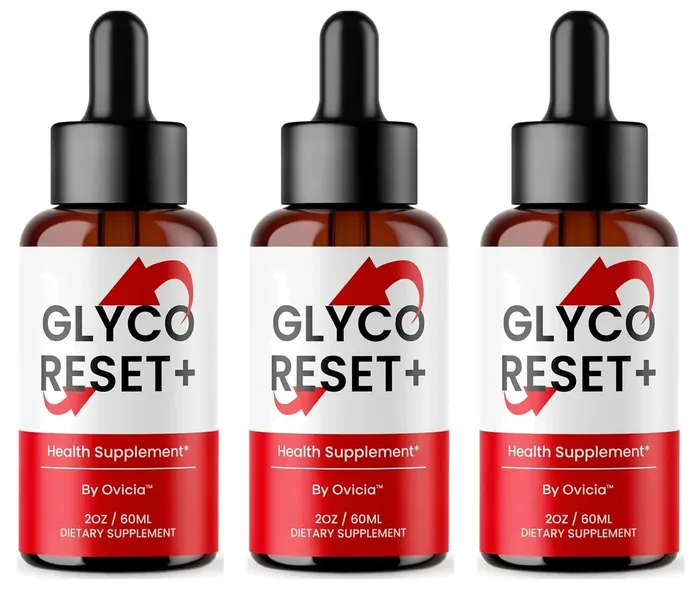
Glyco Reset is an apple cider vinegar liquid drop. Its first named ingredient is the vinegar, and citric acid, another food acid, is also on the list. So the same care applies to every dropper serving.
The lab study
How much enamel can vinegar dissolve?
In a 2014 German lab study, some vinegars removed about 20% of the mineral in enamel samples. The researchers, Willershausen and colleagues, soaked pieces of human tooth enamel in different vinegars with a pH of 2.7 to 3.95 for up to 8 hours (Willershausen: vinegar and enamel erosion).
| What was tested | Time in vinegar | What happened |
|---|---|---|
| "Bio" vinegar | 8 hours | About 20% mineral loss, reaching 45 micrometers deep |
| Raspberry vinegar | 4 hours | About 20% mineral loss, reaching 30 micrometers deep |
| Vinegar acidity range | All samples | pH 2.7 to 3.95, which is strongly acidic |
| Real mouths | Not tested | Not studied |
A lab study is not a mouth. Saliva washes acid away and helps enamel recover, and nobody holds vinegar on a tooth for hours. Still, the study shows the direction clearly: vinegar can strip mineral from enamel, and longer contact means more loss.
Case reports
Can vinegar burn your throat?
Yes, in rare cases. Two published reports show what can happen when strong vinegar or a vinegar tablet stays in contact with the throat.
A stuck vinegar tablet
In 2005, Hill and colleagues wrote about a reported throat injury caused by an apple cider vinegar tablet. They then tested eight vinegar tablet products and found "considerable variability" in size, pH, acid content and label claims. They even questioned whether some contained vinegar at all (Hill 2005: esophageal injury from ACV tablets).
A teen who drank vinegar straight
In 2020, doctors in Korea described a 15-year-old who drank about 100 to 150 mL of an undiluted vinegar drink every morning for a month. The drink had a pH of 2.6. The teen developed bleeding ulcers along her whole esophagus, the tube from the throat to the stomach. The ulcers healed within a week of treatment (Chang 2020: corrosive esophageal injury from vinegar drink).
Both cases point the same way. Concentrated vinegar that sits against tissue can injure it, while vinegar spread through water is gentler.
Expert view
What does Mayo Clinic say about vinegar and teeth?
Mayo Clinic warns that apple cider vinegar's acidity can wear tooth enamel and irritate the throat. Its staff also note that vinegar tablets lodged in the throat have caused pain (Mayo Clinic: apple cider vinegar).
Mayo adds context worth knowing. Studies have used up to about 2 tablespoons a day, safely for up to 12 weeks. Mayo also flags a potassium concern for people on water pills or insulin (Mayo Clinic: apple cider vinegar).
Trouble swallowing, throat or chest pain, or a feeling that something is stuck after taking vinegar needs a doctor. Do not wait to see if it passes.
Daily habits
How do you take acidic drops without hurting your teeth?
Dilute every serving in water and limit how long the acid touches your teeth. Six simple habits do most of the work.
Stir it into water
Take the dropper serving in a glass of water, never straight into your mouth. Water spreads the acid out.
Try a straw
A straw sends the drink past the front teeth, so less acid sits on their surfaces.
Rinse with plain water
Swish plain water around your mouth after the drink to clear what is left.
Wait before brushing
A common dental tip is to wait a while before brushing, since enamel is softer right after acid.
Drink it, do not sip all day
Finish the glass in one sitting. Sipping for hours keeps teeth bathed in acid.
Stick to the label
Never take more than the label on your bottle says. More acid means more contact.
For directions, the brand offers one graphic: take the dropper serving the label gives. The label photos we have show no Supplement Facts panel, so check the back of your bottle for the serving size. Our Glyco Reset how-to-use guide walks through a full routine.
The product
How acidic is Glyco Reset compared with straight vinegar?
The brand does not publish a pH, so nobody outside the company knows exactly. What we do know comes from the ingredient order.
The list starts with apple cider vinegar and purified water, then cane sugar, apple pectin, citric acid and sodium citrate. Water is listed second, so the drops are already a mix, not plain vinegar. Sodium citrate is a buffer, a salt that steadies acidity.
Even so, citric acid adds sourness of its own. Treat each serving as an acidic drink. Diluted vinegar is easier on teeth than straight vinegar, which is one fair point in the product's favor.
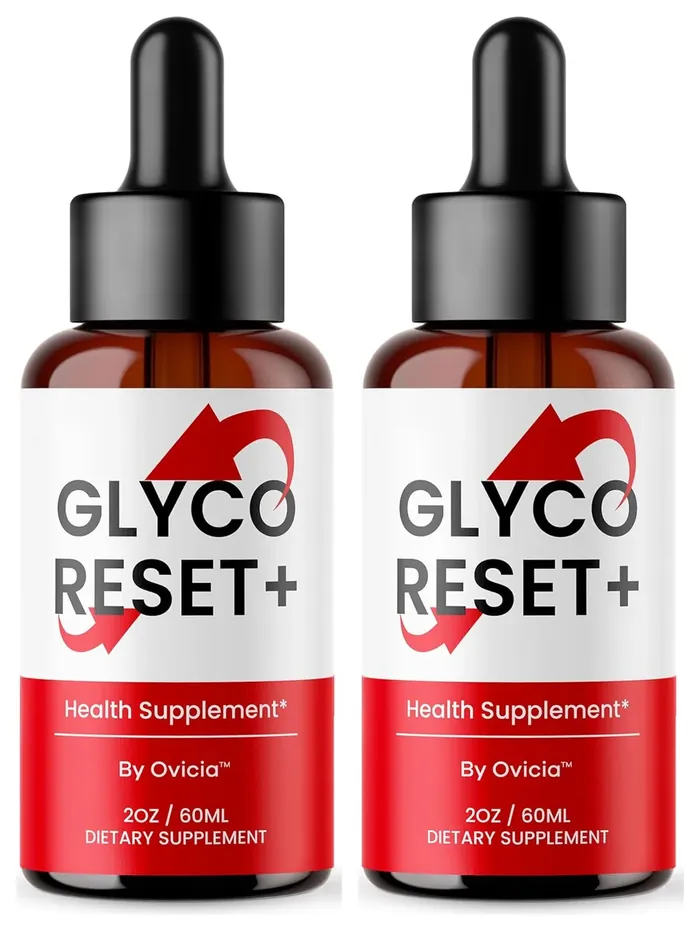
- Bottle size: 2 oz (60 mL) in amber glass
- Two acids on the list: vinegar and citric acid
- One buffer: sodium citrate
- pH and serving size: not shown in our photos
Extra care
Who should be extra careful with vinegar drops?
People with weak enamel, reflux or a sensitive throat should ask a dentist or doctor first. WebMD notes that apple cider vinegar can cause reflux or an upset stomach (WebMD: Apple cider vinegar monograph).
- Anyone with sensitive teeth, enamel wear, dry mouth or many fillings
- People with acid reflux, heartburn or a hiatal hernia
- Anyone who has trouble swallowing or has had throat surgery
- People who take a water pill or insulin, because of the potassium concern Mayo describes
The Glyco Reset side effects page covers stomach, potassium and medicine questions in more detail. Bring the bottle to your next dental visit if you are unsure.
Bottom line
Can you protect your teeth and still use vinegar drops?
Most people can, with simple habits. Dilute each serving in water, finish it in one go, rinse after and never exceed the label. Throat pain or trouble swallowing means pausing the drops and getting checked.
FAQ
Vinegar, teeth and throat: common questions
How much enamel can vinegar dissolve in a lab test?
About 20% of the mineral in a sample, in a 2014 German study. Willershausen and colleagues soaked human enamel in vinegars for up to 8 hours. A lab dish is not a mouth, but the study shows vinegar can strip enamel.
Should I drink vinegar drops through a straw?
A straw is a reasonable habit. It carries the drink past your front teeth, so less acid sits on them. Stir the serving into water first, finish it in one sitting, and rinse your mouth with plain water afterward.
How long should I wait to brush after apple cider vinegar?
Many dentists suggest waiting a while after any acidic drink, because enamel is softer right after acid. Rinse with plain water first. Ask your dentist what wait time suits your teeth, especially if you already have enamel wear.
What should I do if my throat hurts after vinegar drops?
Put the drops aside and phone your doctor. Throat pain, chest pain or trouble swallowing after an acidic product needs a medical check. Published case reports describe throat injuries from a vinegar tablet and from vinegar taken undiluted.
Can undiluted vinegar damage your esophagus?
Yes, in rare cases. Taking vinegar straight puts concentrated acid on your teeth and throat. A 2020 case report described bleeding esophageal ulcers in a teen who drank undiluted vinegar every morning. Mix every dropper serving into a glass of water.
Are apple cider vinegar tablets safer than liquid?
Not necessarily. A 2005 report described a throat injury from a vinegar tablet, and tests of eight tablet products found wide differences in size, acid content and label claims. Any vinegar product needs water and care.
What are signs of vinegar damage to teeth?
Early signs include sensitivity to cold or sweets, teeth that look more yellow as enamel thins, and rough or chipped edges. See your dentist if you notice these. Tell them about any vinegar product you take.
Who wrote this
Written and reviewed by
Plain-language pages built from the bottle label, the order page and linked public health sources such as NIH, FDA and CDC.
Last updated . Read our editorial standards and how we check reviews. This website is run by a U.S. stocking partner for Glyco Reset, not by the manufacturer. We earn money when you buy through our order links.
Keep reading
More about Glyco Reset
Side effects
The side effects to watch for with Glyco Reset, which medicines need a doctor's check first, and how to report a reaction.
Read moreHow to use
Follow the serving on your bottle, stir it into water, take it with a meal and rinse after.
Read more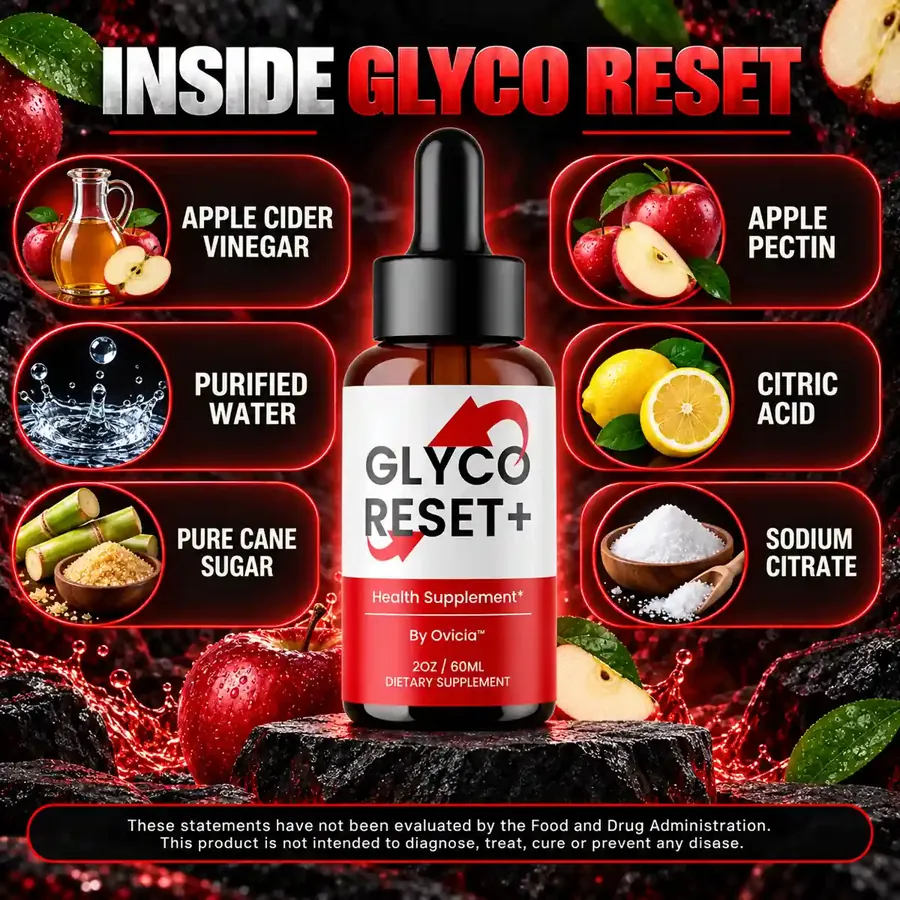
Apple cider vinegar
The first named ingredient: what vinegar trials found, and why one 60 mL bottle covers 2 to 4 days of their dose.
Read moreU.S. stocking partner for Glyco Reset
Ready to try Glyco Reset?
Pick 1, 3 or 6 bottles on the official order page. It shows the price, shipping and total before you pay.
- Official order page
- 60-day money-back window
- Tracked shipping